
Why choosing the right e‑bike matters for moms
We handle school runs, groceries, and playdates, and an e‑bike can replace short car trips. Crazy fact: we save time, energy, and often $2,000 a year on driving for good.
What we need before we start
- Our realistic budget, lifecycle
- Helmet and kids’ safety gear
- Measuring tape for fit
- Test-ride time; nearby dealers or online research
- Maintenance skills or local shop; child seat options
Define how we’ll actually use the e‑bike
List our typical rides and requirements. Describe short school runs, grocery trips, errands, and any longer commutes we might do — include frequency and approximate distances (e.g., 2–5 km daily, one 15 km weekly trip).
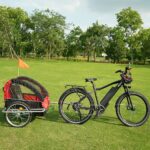
Note passenger needs and cargo plans. Decide if we’ll carry a toddler in a child seat, tow a trailer, or haul groceries in panniers. Examples: child seat for 2–4 year olds, cargo trailer for big grocery hauls.
Consider terrain and distances. Mark hills, mixed surfaces, and the longest single-trip distance to size the motor and battery.
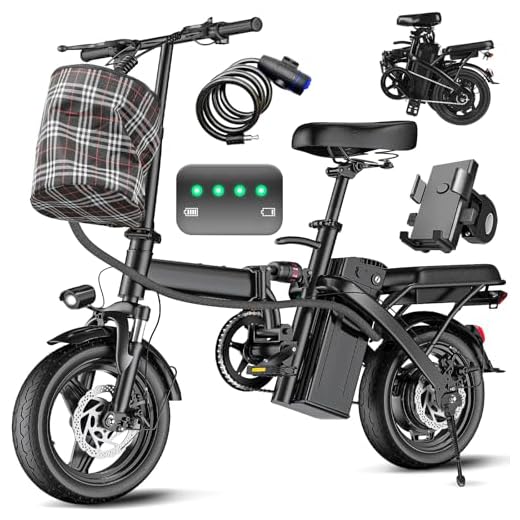
Outline storage and access at home and work. Choose folding if space is tight or a sturdy frame for heavy daily loads. Outline daily scenarios and rare longer trips to create a realistic profile that guides battery capacity, motor power, and frame choice before we compare models and prices.

Set a realistic budget and lifecycle costs
Set realistic budget boundaries and factor in lifecycle costs, not just the sticker price. Decide what we can pay now and what we can afford over 3–5 years when including maintenance, battery replacement, accessories, and insurance.
Think through tradeoffs with a quick example: paying $300–$700 more for a higher-quality battery and motor can avoid a $500 replacement or frequent repairs later. Don’t forget extras we’ll likely need:
- Child seat or cargo rack
- Quality lock, lights, and fenders
- Battery replacement (expect 3–6 years)
- Periodic service and tires
- Optional trailer or weather gear
Check local rebates, incentives, and transferable warranties. Estimate resale value and compare financing versus paying cash—balance monthly bike costs against saved car trips or delivery fees. Finally, write a short prioritized features list so we spend where it matters.
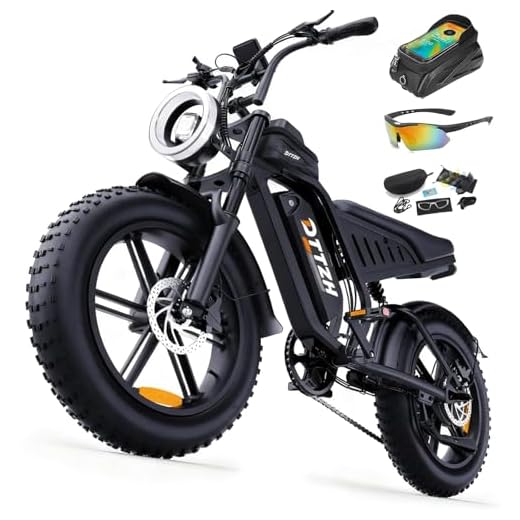
Pick the right motor and battery for our rides
Evaluate motor type and battery capacity because they define performance and family comfort. Choose a mid‑drive motor for steep hills and heavy child/cargo loads; choose a hub motor for simpler, cheaper neighborhood rides. Estimate our daily mileage and add 30–50% margin for hills, weather, and child weight — then compare batteries by watt‑hours (Wh). Consider removable batteries for indoor charging and check realistic range figures, reputable brands, and solid warranties.
- Aim for 400–600 Wh for typical school runs; >600 Wh for long rides or many hills.
- Prioritize torque if we regularly carry children or climb steep streets.
- Check pedal‑assist levels and throttle to match our comfort and local laws.
Test assist modes and full‑load climbs during a demo ride.

Choose the right frame, fit, and child‑carrying setup
Measure our inseam and stand‑over height to confirm frame size. Test saddle height and reach—raise the seat and try our typical posture. Look for adjustable stems and quick‑release seatposts so the bike fits both parents.
Consider step‑through frames for easy mounting with a toddler on our lap, or sturdy diamond frames for heavy cargo and stability. Evaluate rack capacity and mounting points for a child seat, milk crate, or trailer. Check brakes rated for heavier loads—prefer hydraulic disc brakes. Decide on suspension forks or seatpost suspension if routes are bumpy; remember they add weight.
- Key checks: frame type, inseam/stand‑over, rack/eyelets, brake type, adjustable fit
During test rides we mimic loaded conditions, assess visibility, and confirm we can handle sudden stops and turns confidently with our usual load.

Test rides, safety checks, and must‑have accessories
Schedule test rides with realistic loads and bring our child seat or a weight equivalent (a 20 lb bag or milk crate plus groceries) and our usual loaded bag to feel handling.
Check braking power, low‑speed balance, and maneuverability—make tight turns, emergency stops, and slow‑speed starts with the load.
Inspect build quality: frame welds, cable routing, bolt tightness, and wheel trueness. Ask to see service records.
Ask about service plans and local dealer support so we aren’t left stranded.
Choose accessories with family use in mind:
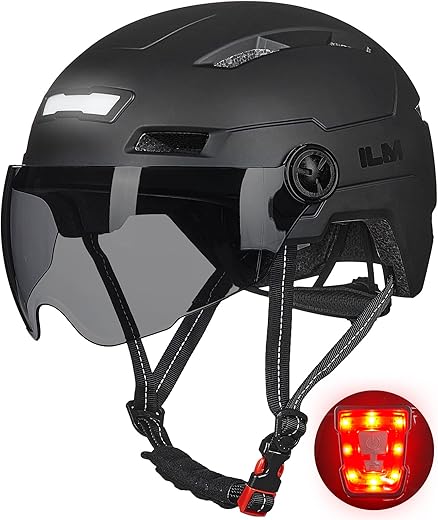
- Integrated lights and reflective panels
- Sturdy lock, mudguards, weatherproof panniers
Confirm child seats are certified, mounting systems fit, and weight limits; add extra restraints or footrests if needed. Discuss local helmet, light, and child‑seat laws. Compare final pricing to our priorities, negotiate or seek bundles; for used bikes, check battery health, service history, and test the motor under load.
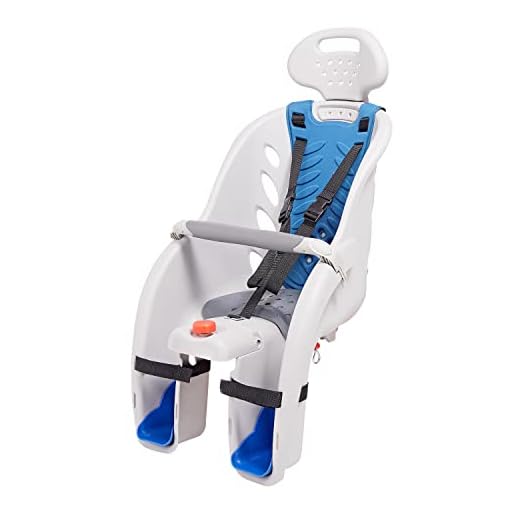
Finalize purchase, warranty, and family training plan
Choose the model that matches our profile and budget and test any final options (rack, child seat mounts, extra battery).
Confirm warranty details: ask what the battery, motor, and frame cover and for how long (e.g., battery 2 years, frame 5 years).
Ask about loaner bikes, routine service schedules, and average repair turnaround so we know how long we’ll be without the bike.
Consider insurance for theft and liability if available and affordable.
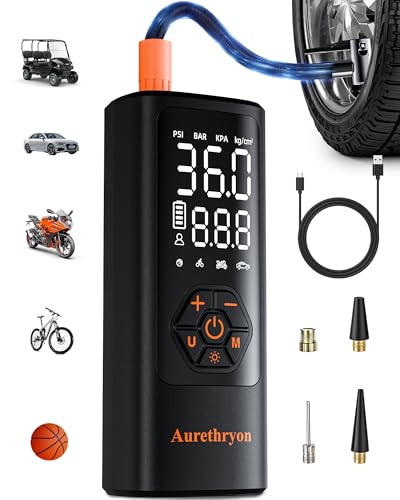
Plan storage and charging to extend battery life—use a cool, dry garage or indoor charging and avoid freezing temperatures.
Schedule a follow-up service after one month to tighten bolts and tune brakes.
Arrange a short family training ride in a quiet parking lot to practice loading, mounting children, and emergency stops.
Record receipts, warranty papers, and the serial number, schedule periodic checks, learn basic upkeep (tire pressure, chain care), and join parent rider groups for routes and tips.
Ready to ride as a family
We’ve outlined practical steps; now let’s choose, test, and ride together. Try an e‑bike with your kids, share your experiences, and inspire other families to join us—take action now today.