
Why We Choose E-Bikes for Family Life
We know how hectic family life can be, and swapping short car trips for an e-bike often makes errands and school runs easier.
Here we share nine trusted brands — from budget commuters to heavy-duty cargo bikes — that parents praise for safety, comfort, cargo capacity and reliability. Use our quick guide to compare practical choices like compact folders, box cargo, and premium family models to find what fits our routines and kids.

Rad Power Bikes: Practical, Affordable Cargo Options
Why families pick Rad
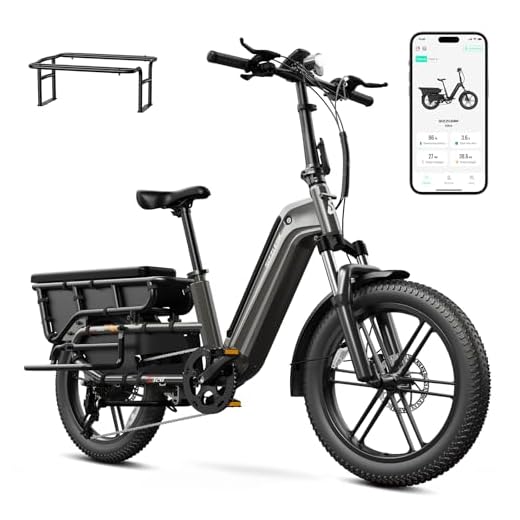
We hear from parents that Rad Power Bikes hits a sweet spot: straightforward designs built to carry kids, backpacks, and groceries without a luxury price tag. Models like the RadWagon (longtail) and RadRunner (compact utility) give us roomy decks and sturdy racks so we can strap in a child seat or panniers and go.
Where Rad shines
- Value: lots of cargo capacity for the cost versus premium brands.
- Simplicity: easy step-through frames and user-friendly controls for new e-bike riders.
- Aftermarket: huge accessory ecosystem—child seats, benches, rain covers, and cargo extensions are easy to add.
What to watch for
- Weight: longtails often weigh 70–90+ lbs; lifting or storing them takes planning.
- Support: Rad is primarily direct-to-consumer, so dealer service varies by area.
- Motor/load: strong motors help, but expect slower range when fully loaded or climbing hills.
Buying tips & safety
- Sizing: prioritize step-through reach and saddle height over “frame size” numbers; test with a loaded rack if possible.
- Range expectations: with kids and cargo, plan for 15–40 miles per charge depending on battery, assist level, and terrain.
- Equip safely: use certified child seats or bench kits, firm foot rests, a five-point harness or straps, and bright lights/reflectors for visibility.
Next, we’ll compare Rad’s practicality with Tern’s compact, family-minded folding cargo options.
Tern: Compact Cargo and Family-Friendly Folding Designs
Why we reach for Tern
We recommend Tern when we want a nimble bike that still carries the kids. Models like the GSD and HSD pack surprising load capacity into a short wheelbase and often fold or collapse enough to fit in a garage, elevator, or car trunk—perfect for families with limited storage or who combine bikes with transit. The biggest payoff is easy maneuvering through crowded sidewalks and tight bike racks.
How we outfit a Tern for kids
- Secure racks and reinforced frames that accept child seats or a rear bench.
- Modular accessories: weatherproof cargo boxes, padded bench kits, footrests, and multi-point harnesses.
- Folding or telescoping handlebars that lower for storage or bus/rail compatibility.
Quick tips for daycare runs
- Prioritize attachment points: test the seat or bench on the bike with weight before your first trip.
- Keep a lightweight rain cover and insulated tote for lunches; they stow easily when folded.
- Practice tight turns and short emergency stops with a loaded bike—kids’ safety depends on predictable handling.
Tern asks us to pay a little more, but for families who need compact convenience without sacrificing carrying capability, that premium often feels worth it.
Yuba: Heavy-Duty Cargo for Growing Families
Why we reach for Yuba
We turn to Yuba when no-nonsense carrying power matters. Bikes like the Mundo (longtail) and Spicy Curry (mid-tail) give us extended racks and reinforced frames that swallow two kids, a stroller, and a week’s groceries without complaint. One Saturday we loaded the Mundo with two kids, a toddler seat, and a crate of plants — the bike felt stable and confidence-inspiring even on wet streets.
Handling trade-offs
More load capacity means a longer wheelbase and heavier feel at low speed. We trade a bit of nimbleness for stability and room. That’s fine for school runs and errands, but practice slow turns and emergency stops before you carry full loads.
Recommended configurations
- One child + groceries (short trips): mid-tail with single battery (400–600 Wh)
- Two children + daily commute (5–15 mi): longtail + 500–750 Wh battery, rear bench or dual child seats
- Frequent heavy hauling or longer trips (15+ mi): longtail with range extender or 750–1000+ Wh
Maintenance & battery/motor tips
- Tighten rack bolts and inspect spokes monthly.
- Keep tires at recommended pressure for load, swap to puncture-resistant tires if you carry kids daily.
- Choose a torque-focused mid-drive motor for hill-climbing; pair it with a higher-capacity battery if your route is long or hilly.
- Lube chain, check brake pads, and schedule an annual pro tune for heavy-use families.
Gazelle: Dutch Comfort and Integrated Family Features
Why Gazelle works for family life
We appreciate Gazelle for bringing classic Dutch comfort to our everyday rides. Their upright geometry, plush saddles, and stable frames make short school runs and errands feel relaxed — less hunching over, more eye contact with little passengers.
Integrated features that matter
Gazelle designs often include integrated racks, full chain guards, and built-in lights, which simplify fitting child seats and crates without awkward adapters. Models we look at: the Arroyo C8 HMB for smooth commuting, the Ultimate C380 HMB for low-step access, and the Cabby family bike for box-style child transport.

Practical tips for daily use
- Check child-seat compatibility: confirm rear rack strength and seat-mount options before you buy.
- Prioritize integrated lighting and reflective paint for gloomy mornings.
- Choose a low-step frame if you’ll lift kids in and out frequently.
- Test brake feel with a loaded bike; upgrade pads if stopping distance feels long.
Considerations
Gazelles can be pricier and less cargo-specialized than some brands, but they win on comfort and simplicity. If you value calm, reliable rides for kids and errands, Gazelle is a strong choice — next we’ll explore higher-end safety and performance with Riese & Müller.
Riese & Müller: Premium Safety and Performance for Families
Why we reach for Riese & Müller
When we want engineering that lets us carry heavier loads with confidence, Riese & Müller stands out. Their cargo frames (Load, Packster) and twin-battery options deliver hill-climbing power and long range — we once climbed a 10% grade with two kids and a week’s groceries and still had reserve charge.

Family-focused tech that matters
- Dual-battery setups for long commutes or multi-stop days.
- Full-suspension chassis and low center of gravity for a stable ride with children aboard.
- Integrated lights, enclosed wiring, hydraulic brakes — all reduce maintenance and improve safety.
Models to consider
Choose the Load 75 or Packster 70 for heavy family use; Delite/Superdelite models suit fast, long-distance family commutes where speed and range matter.
Practical buying and setup tips
- Test-ride loaded: bring your kids or equivalent weight to feel handling changes.
- Budget for accessories and services:
- Professional cargo/child-seat installation and brake tuning.
- Weather covers, seat belts, rainproof liners.
- Insurance and higher-tier maintenance plans (expect higher annual costs than mainstream brands).
- Ask dealers about ABS and factory-fitted child options to avoid aftermarket compatibility headaches.
Benno: Versatile ‘Lifestyle’ Cargo Bikes for Everyday Family Use
Why Benno fits our family rhythm
We like Benno when we want one bike that looks good parked outside a café and still hauls a week’s groceries or a preschooler. Benno’s “lifestyle” approach—think Boost line—pairs a compact frame and nimble geometry with real-world cargo capacity, so errands, school drop-offs, and stroller-adjacent trips feel natural instead of like piloting a delivery rig. Once, we loaded a booster seat, a tote of groceries, and a sleeping toddler and still zipped through neighborhood bike lanes with confidence.
Accessory options & how to configure
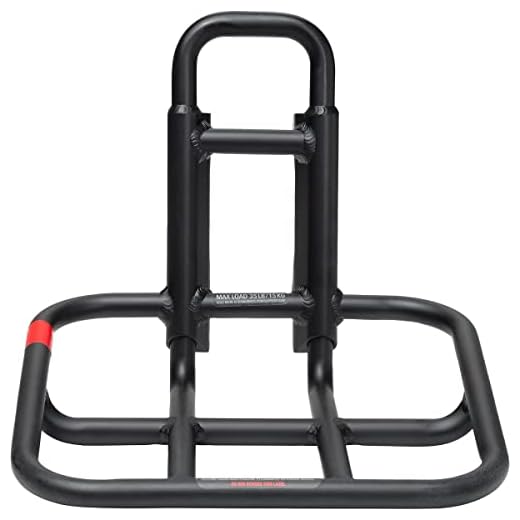
- Child seats: mount rear-mounted seats on the sturdy rack or choose a rear bench for two small kids.
- Front trays and baskets: great for a diaper bag or lunchbox; keep weight low and centered.
- Safety add-ons: integrated lights, reflective panniers, wheel guards, and frame-mounted harness points.
Handling expectations & quick tips
- Keep heavier items low over the rear rack for stable steering.
- Practice a loaded test ride in a quiet parking lot before city traffic.
- Consider a short kickstand upgrade and stronger spokes if you plan frequent heavy loads.
Try a Boost Cargo or mid-step model if you want max versatility—Benno lets us blend daily life and light hauling without sacrificing style or handling.
Urban Arrow: Box Cargo Bikes Built Around Family Transport
Child comfort & modular seating
We reach for the Urban Arrow Family when we want a true kids-first box: low, wide cockpit, integrated bench seats with 3‑point harnesses, and optional rain covers and winter liners. Models to note: Urban Arrow Family (full-size) and the Shorty (compact box for tighter streets). One rainy school run we zipped through puddles while the kids stayed dry and cozy under the standard cover.
Safety & everyday handling
Urban Arrow prioritizes stability and visibility: robust kickstand, low center of gravity, strong hydraulic brakes, integrated lights, and reflective trim. To get kids in/out smoothly, always engage the parking brake, stand on the curb side, and steady the bike while one child climbs in—practice once in a quiet spot.
Configuring the box by age
- Infants: use approved car-seat adapters or wait until your child fits a forward-facing harness per manufacturer guidance.
- Toddlers (2–4): bench + harness, add footrests and fleece liners.
- Older kids (5+): remove inserts for backpacks, use bench seating or add a rear bench for two.
Trade-offs & local rules
Urban Arrow’s footprint and price are larger than a commuter e-bike, and storage/parking needs more space. Check local helmet laws, minimum age rules, and bike-lane regulations before you ride—our go-to rule: helmets for every child and a quick local-code check before the first trip.
Babboe: Family-Focused Box Bikes That Make Kids Part of the Ride
Family-first design
We recommend Babboe when we want a simple, roomy front box that makes loading kids easy. Popular models to spot at playgrounds are the Babboe City (compact), Babboe Big-E (roomiest), and Babboe Curve (sturdier steering feel). Most come with bench seating, 3‑point belts, and optional weather covers so rainy school runs feel routine, not dramatic.
Seating multiple children safely
In practice, we follow a few rules to keep rides calm and safe:
- Seat children in the center or against the back of the box to lower the center of gravity.
- Use manufacturer-approved harnesses and a padded bench or booster if needed.
- Distribute heavier kids side-to-side and avoid overloading beyond the listed max weight.
Daily maintenance tips for busy families
We do quick checks before every ride: tire pressure, brakes, battery charge, and that the cover zips and drains. Weekly: clean the box, lubricate the chain, and tighten visible bolts. For the battery: top up charge after heavy use and store inside in cold months.
Where Babboe shines — and when to consider alternatives
Babboe is ideal for short, frequent trips in tight urban neighborhoods and quick grocery runs. For long-distance rides, top speeds, or heavier industrial loads, we look to higher-performance alternatives like Riese & Müller or Yuba.
Trek: Reliable Commuters and Family-Friendly Electric Options
Models that fit family life
We rely on Trek when we want commuter comfort with family practicality. Useful models to look at include the Verve+ low-step for easy mounting with kids aboard, the Allant+ series for longer-range family errands, and the Super Commuter+ if we need higher speeds for mixed-use rides. These frames commonly have rack mounts and durable components that take everyday wear.
Dealer support and real-world benefits
We appreciate Trek’s large dealer network for test rides, quick service, and parts availability — which means less downtime when a child seat bolt needs replacing or a battery swap is due. Our local shop often helps verify child-seat adapters and installs racks professionally.
Practical buying tips
Ask the dealer to confirm:
- rack maximum load and compatible rear child seats (Thule Yepp, Hamax adapters often fit);
- whether the battery is removable for indoor charging in winter;
- available maintenance plans or extended warranties.
Consider insurance and long-term costs:
- add e-bike coverage to home contents or buy specialist bike insurance;
- register the serial number and keep receipts for warranty claims.
With these checks we balance budget, dealer convenience, and long-term support — which sets us up nicely for the final section on choosing the right family e-bike together.
Choosing the Right Family E-Bike Together
We’ve highlighted nine brands that families swear by, each serving different priorities: affordability, heavy cargo, compact convenience, or premium performance. To choose we recommend test-riding, matching capacity to how many kids or how much cargo we’ll carry, and factoring storage, service, and accessories. Prioritize safety, comfort, and routines so the bike fits daily life. When we find the right match, an e‑bike becomes a simple, joyful way to move our family, and explore.