
Quick take: Are expensive e-bikes worth the price?
Surprising fact: many e-bikes cost more than a small used car — yet we often buy on looks and specs, not needs. Are we paying for real benefits or just brand cachet?
We’ll break down what we actually pay for — motors, batteries, frames, and tech — and test how much those parts change the ride. We’ll compare performance and comfort, check how to match an e-bike to our family’s daily trips, and look at long-term costs like maintenance and resale.
Finally, we’ll explore lower-cost alternatives, smart upgrades, and a concise buying checklist so our next e-bike choice fits our budget and family life.
Read on to make a practical, confident family decision.

Breaking down the price: What are we actually paying for?
We unpack the components of an e-bike’s price tag so we understand what “expensive” means in practice. Think of the sticker as a shopping cart of parts: some genuinely change how the bike rides every day, others mostly add shine.
Frame and materials
The frame is the bike’s skeleton. Higher-end frames use lighter alloys or carbon fiber and cleaner engineering (internal cable routing, integrated racks), which:
- Save weight (easier to lift and maneuver).
- Improve ride comfort and stiffness (better handling, less flex with kids or cargo).Tip: for family use, a well-built aluminum frame with a low step-through often gives the best value versus premium carbon.
Motor and battery technology
This is the single biggest factor in price. Stronger, smoother motors and higher-capacity batteries deliver longer range, quieter assistance, and better hill-climbing. Mid-range motors (Bosch, Shimano Steps) feel noticeably more refined than cheap hub-motors; high-end systems add tuneable power and better heat management.
Tip: prioritize battery capacity for longer school runs or errands — 400–600 Wh is a practical sweet spot for many families.
Drivetrain and brakes
A smooth, durable drivetrain (better derailleurs, wider gear ranges, belt drives) reduces maintenance and shifting frustrations. Hydraulic disc brakes are worth the extra cost for confident stopping—especially with kids and cargo.
Suspension and wheels
Suspension forks, seatpost suspension, and sturdier wheels add comfort on rough roads and protect delicate cargo. For most family rides on paved routes, a simple suspension seatpost and puncture-resistant tires can give most of the comfort benefit without the weight/expense of full suspension.
Electronics and display
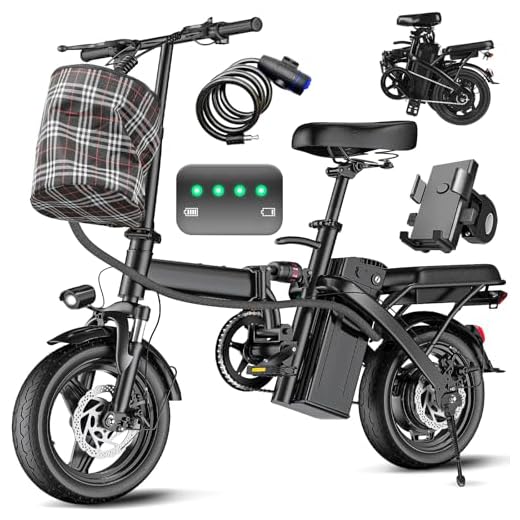
Premium e-bikes have clearer displays, smartphone integration, theft-prevention, and multiple riding modes. These are convenience features — great to have, but not always essential if our priority is short commutes and grocery runs.
Branding, service, and warranties
Part of the premium price buys dealer networks, longer warranties, and reliable after-sales service. We’ve found that a good local shop and a solid 2–3 year battery warranty often save more headache than a fancy logo.
Quick comparison: entry-level ($1k–$2k) = basic motor, smaller battery, heavier parts; mid-range ($2k–$4k) = reputable motor, better battery, hydraulic brakes; premium ($5k+) = lighter frame, top-tier motor, advanced electronics. Use that map when deciding which upgrades actually matter for our family’s daily life.
Performance and ride experience: How much better do pricier models feel?
We’re looking beyond the sticker to how an e-bike actually performs on the school run, the grocery loop, or a weekend trail. Here are the ride elements that change most as price rises — and when those differences matter for our family.
Torque determines how effortlessly an e-bike moves heavy loads or climbs steep streets. Budget hub motors often feel peppy on flats but stall under load; mid-drive premium systems (think Bosch Performance Line, Shimano Steps, Brose) deliver much stronger, sustained torque — commonly in the 60–85 Nm neighborhood — which makes a loaded bike and child seat feel like a normal, confident ride.
Tip: If our route has long, steep climbs or we regularly carry kids/cargo, aim for a mid-drive motor with higher torque. For short, flat rides, a basic motor will usually do.
Battery capacity, range, and longevity
Battery size (Wh) is the practical range driver. Typical sweet spots:
- 400–500 Wh: good for 10–25 miles of mixed riding.
- 500–750 Wh: safer for 25–50+ miles or heavy loads.
Real-world range varies with assist level, rider weight, and cargo — expect 30–50% less range when we’re hauling kids or groceries. Higher-end batteries also use better cells and BMS (battery management systems), so they hold capacity longer; quality packs often retain most of their useful range for several years with normal use.
Throttle and pedal-assist smoothness
Premium systems use torque sensors and refined tuning so power delivery feels natural — no sudden surges that jostle a toddler seat. Cheap systems often rely on cadence sensors or crude on/off assist that can make starts and stops feel jumpy. For relaxed family rides and predictable acceleration in traffic, smoother assist is worth paying for.
Handling and braking: safety and confidence
Expensive bikes often have better geometry, stiffer frames, and lighter components that improve balance — especially important with a front child seat or loaded rear rack. Hydraulic disc brakes are a must for safe, repeatable stopping when weight increases. If we expect steep descents with kids onboard, prioritize strong brakes and good tires.
Practical rule: For mostly flat, short family trips, mid-range e-bikes hit the sweet spot. If our everyday includes hills, regular heavy loads, or we want the most natural-feeling assist, pricier motors and bigger batteries produce a noticeable, worthwhile difference.
Fit for purpose: Matching an e-bike to our family’s needs
Not every family needs top-tier performance — the trick is matching the bike to how we actually ride. Below are common family use cases, quick questions to ask ourselves, and which features are essential versus optional for each.
Quick decision checklist (ask these first)
- How far do we ride, and on what terrain?
- Do we carry children, groceries, or both — and how often?
- Do we need easy mounting (step-through) or a high stand-over?
- Will multiple people share the bike (different heights/weights)?
- Do we want something compact for storage or a full-size frame?
Short school runs (2–5 miles, mostly flat)
Essential:
- Comfortable upright geometry and easy step-through option.
- Moderate battery (enough for daily round-trips) and dependable lights.Optional:
- Heavy-duty cargo rack or long-range battery.Examples: Simple commuter-style e-bikes like the Rad Power Bikes RadRunner 1 or a low-step Gazelle commuter usually suffice.
Suburban commuting (7–20 miles, mixed roads)
Essential:
- Reliable mid-range battery, integrated lights, fenders, and puncture-resistant tires.Optional:
- Suspension fork and premium motor for very hilly commutes.Tip: If we want crisp acceleration in urban traffic, prioritize a bike with smooth pedal-assist tuning.
Cargo duties and kids onboard
Essential:
- Strong frame or dedicated cargo platform, robust rear rack, and powerful brakes.Optional:
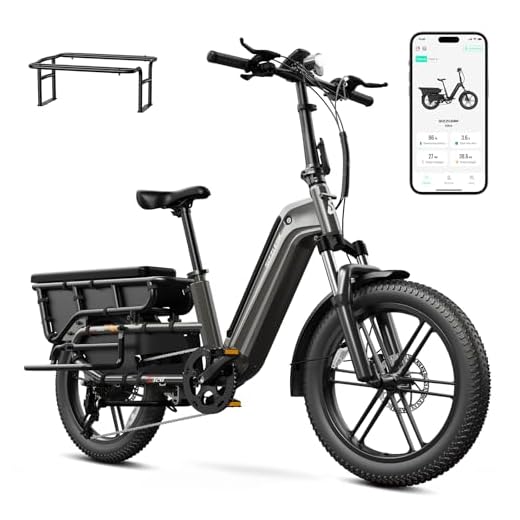
- Extra-large battery, integrated child-seat mounts, or dual-battery setups.Camping trips and grocery hauls become easier with a purpose-built cargo bike like the which handles rear seats and boxes more safely than a converted commuter.
Off-road family rides (gravel trails, light singletrack)
Essential:
- Wider tires, a capable fork (or full suspension for rougher trails), and sealed components.Optional:
- High-torque off-road motor or dual-suspension if we regularly tackle technical terrain.Example: A hardtail e-MTB or a gravel e-bike with 50–75 mm fork travel is often more practical than a top-tier full-suspension race bike.
Multi-rider households (different heights/weights)
Essential:
- Adjustable cockpit (stem/seat posts), multiple frame sizes, or a low-step frame for easier mounting.Optional:
- Quick-swap batteries for shared long rides.Practical step: Test-ride with both the lightest and heaviest intended riders to check fit and handling.
These targeted comparisons help us see where spending extra truly moves the needle — and where a mid-range model will cover our needs. Next, we’ll dig into long-term value: maintenance, reliability, and resale to judge how upfront cost plays out over years.
Long-term value: Maintenance, reliability, and resale
We’re shifting from “what it rides like” to “what it costs over time.” Families buy e-bikes for convenience, but the day-to-day reality is a string of small maintenance tasks, occasional repairs, and the eventual battery swap. Here’s how those pieces add up and what we can do to keep costs and headaches down.
Typical maintenance and repair rhythm
Higher-end bikes often use sealed bearings, hydraulic brakes, and premium drivetrains that need less frequent adjustment. Basic models with standard components may need more tune-ups but are often simpler and cheaper to fix.
- Annual service: brake bleed, drivetrain tune, torque-checks — $80–$200 at a shop.
- Wear items: brake pads, tires, chains — $10–$80 each; expect replacement more often with heavy cargo or child seats.
- Unexpected repairs: controller, motor, or wiring fixes can range widely — $100–$600 depending on warranty and parts.
Battery care and replacement costs
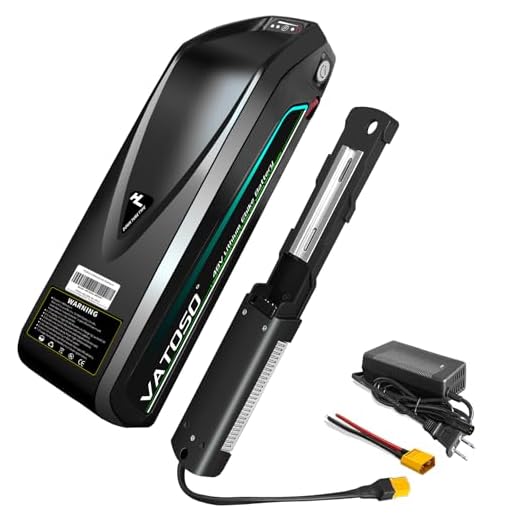
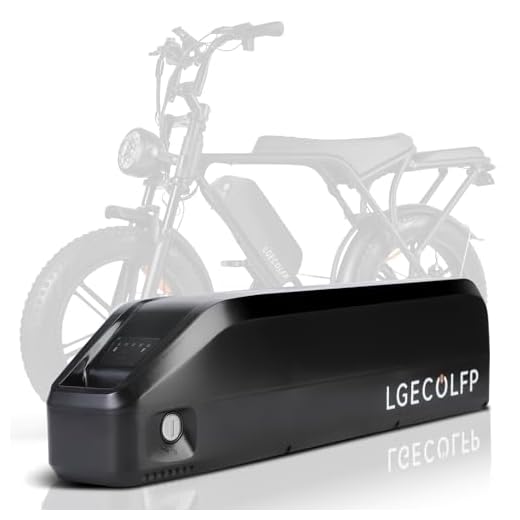
The battery is the single biggest long-term expense. Typical lithium packs last 400–800 full charge cycles before capacity drops noticeably; that’s roughly 3–6 years for average family use.
Battery replacement costs vary:
- Aftermarket 48V packs: $300–$700.
- OEM high-capacity or proprietary packs: $700–$1,200+.
Warranty, service network, and repairability
Brand support matters. Bosch- or Shimano-equipped bikes usually have strong dealer networks and predictable parts pricing. Generic motors or proprietary in-house systems can be cheaper upfront but harder/ costlier to service long-term. If we don’t want shop visits, choose bikes with user-serviceable parts (removable batteries, external motors).
Resale and depreciation realities
E-bikes depreciate, but not all equally. A well-maintained premium bike from a recognized brand can retain 50–70% of value after 2–3 years; generic commuter models often fall to 40–60% of original price in the same timeframe. Keep records of battery health and service receipts — buyers pay more for documented care.
Practical checklist to maximize lifespan
- Store battery cool and dry; avoid freezing and high heat.
- Don’t leave the pack at 0% for long — partial charges are kinder.
- Do a quick monthly check: tire pressure, brake feel, and chain lube.
- Keep service records and original manuals for resale.
- Consider an extended warranty or shop service plan if we plan heavy daily use.
These steps help us weigh whether paying more now saves money (and stress) later — or if a simple, repair-friendly commuter will suit our family just fine.
Alternatives, smart upgrades, and a buying checklist
In this final practical section we’ll look at cost-effective alternatives to buying new and the upgrades that actually move the needle for families. Think of this as a short toolkit: where to save, where to spend, and exactly what to ask before we hand over our credit card.
Cost-effective alternatives
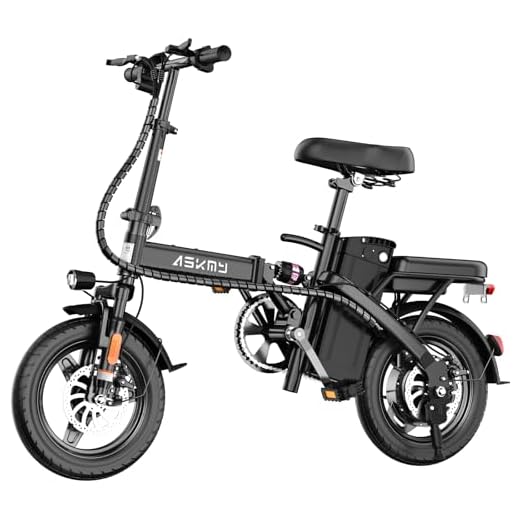
- Buy used or refurbished: look for low cycle-count batteries, recent service records, and seller-return policies. Manufacturer-refurbished units (Bosch, Shimano-approved) often come with limited warranties.
- Mid-range new models: brands like Rad Power, Aventon, and Specialized offer sensible commuter and cargo options that balance build quality and price.
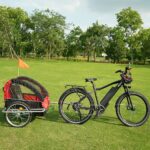
- Add-on accessories instead of a pricier model: child seats, a quality lock, or a cargo trailer can make a mid-range bike function like a specialist model at a fraction of the cost.
Smart upgrades that give us the best value
- Bigger or higher-quality battery pack: +20–40% range is often cheaper than buying a higher-end bike; expect $300–$900 depending on chemistry and fit.
- Puncture-resistant tires (e.g., Schwalbe Marathon Plus): reduce roadside flats and keep kiddos on schedule — $40–$80 per tire.
- Improved brakes: swapping to hydraulic or higher-quality pads gives confidence with loads and kids; typical upgrade $80–$250.
- Sturdy rear rack and child-seat adapters (Thule Yepp, Bobike): cheap safety and utility upgrades that extend an e-bike’s usefulness.
Family-oriented buying checklist
- Test-ride tips: ride with weight (child seat or a loaded pannier), test hill assist and braking under load, and try the step-through/stand-over for quick mounting with kids.
- Ask the dealer: battery capacity (Wh), cycles used, motor brand/model, expected replacement cost, and whether the frame supports child seats/racks.
- Warranty & service: confirm local service options, turnaround times for parts, and whether warranties cover battery degradation.
- Prioritize against budget: safety (brakes, lights), range (battery Wh), and carrying capacity (rack rating) come first for family use; comfort and cosmetics come later.
Quick decision framework
- Splurge if we have daily heavy use, carry kids/loads often, and want low maintenance.
- Save if we ride occasionally; choose mid-range or used plus essential upgrades.
- Upgrade incrementally if we’re unsure: start with a solid mid-range bike and add battery, tires, or racks as needs grow.
Next, we’ll wrap up with how to make the final call that’s right for our family.
Making the choice that’s right for our family
Expensive e‑bikes can be worth it when we need extra power, range, cargo capacity, or durability for daily family use; they reward heavy use and long-term ownership with better components, comfort, and often lower hassle. But for many households, well-specified mid‑range models or thoughtful upgrades deliver most benefits at a significantly lower price, especially if our rides are shorter or occasional.
Weigh typical routes, rider skill, cargo needs, and long-term plans against budget, use our checklist, and test-ride multiple options before committing. That hands-on comparison helps us balance cost and convenience so we pick an e‑bike that keeps our family moving, safe, and smiling without buyer’s regret. Happy riding and smart shopping!