
Keep the Juice Flowing: E-Bike Battery Basics
We’ll walk through simple, family-friendly steps to keep our e-bike battery reliable for errands that span the whole day. Practical habits, smart charging routines, and quick pre-ride checks help us avoid surprises and extend battery life for worry-free family trips.
What We’ll Need
- Our e-bike and its charger
- Charger timer or smart plug (optional)
- Tire pressure gauge
- Mild cleaning supplies
- Small screwdriver set
- Safe, dry storage spot
- Basic comfort following simple maintenance steps
Understand Your Battery and Range
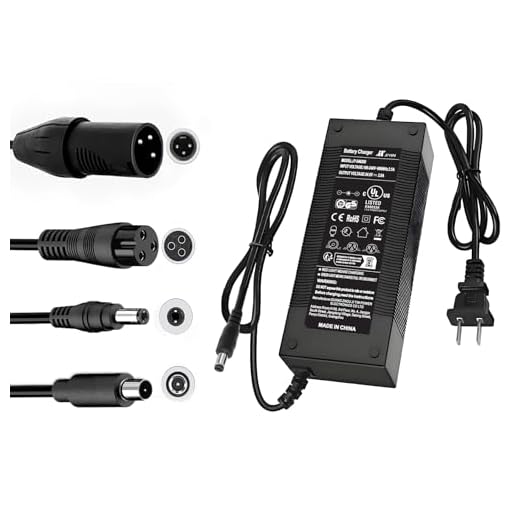
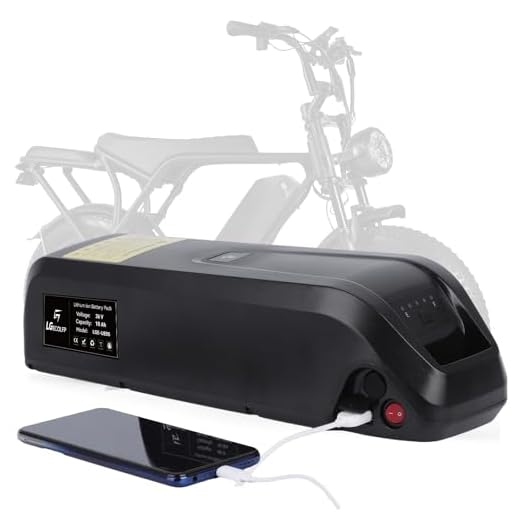
Identify the battery label and read voltage and amp-hours (Ah) so we know the raw capacity.
Read the manufacturer’s stated range and note the battery chemistry (usually lithium-ion).
Test real-world range by riding our typical errands until the battery hits the recommended low level once or twice, and record distance, route, temperature, and cargo. For example: a 36V 14Ah pack might claim 40 miles, but with hills and a loaded child seat we may only get 20–25 miles.
Account for factors that reduce range:
- Hills and headwinds
- Cargo or child seats
- Stop-and-go riding
- Cold weather
Plan a comfortable buffer—keep at least 20–30% charge for day-long outings.
Register battery details and warranty, and store records and test logs in our phone so we’re covered if capacity drops unexpectedly.
Charge Smart, Not Constantly
Top up the battery after short rides (for example, after a 5-mile grocery run bring it to ~70%) instead of letting it fully drain—lithium cells prefer shallower cycles.
Keep our daily charge between roughly 20% and 80%, and charge to 100% only when we need full range for a long day.
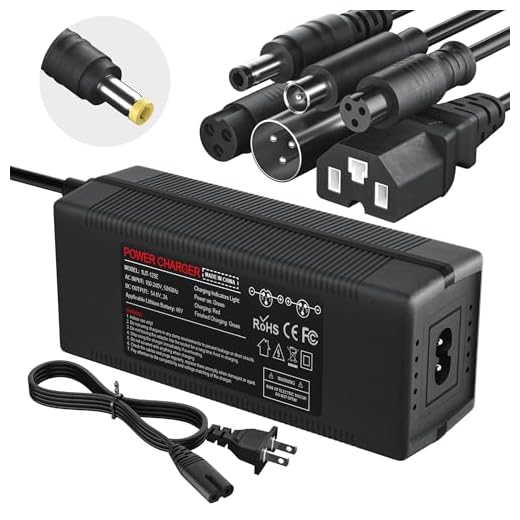
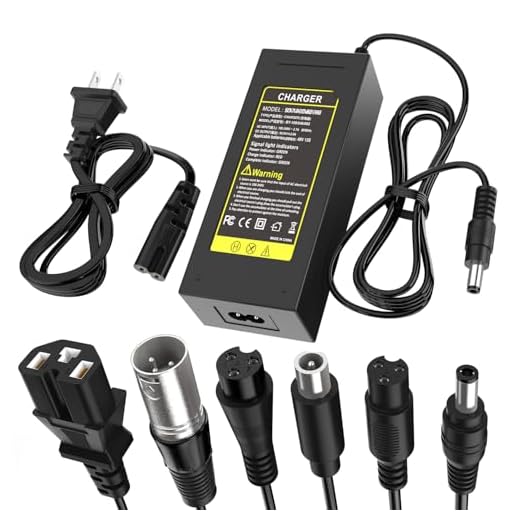
Use the manufacturer’s charger or an approved replacement and avoid cheap, untested chargers.
Charge in a dry, temperate spot away from direct sun or freezing conditions and unplug promptly when the charger indicates full.
Automate overnight charging with a smart plug or timer so we don’t linger at 100% all day.
Log each charge cycle to spot trends and catch early capacity loss.
- Date
- Start %
- End %
- Charger
- Notes (temperature, route)
Record entries on our phone or in a small notebook so we can review patterns.
Store and Transport Properly
Store the battery in a cool, dry place at roughly 40–60% charge when we won’t use it for more than a few days.
Keep the battery inside overnight or during long stops if it’s removable to prevent theft and avoid temperature extremes.
Secure the battery when transporting the bike by car or public transit so it can’t bang against metal or other objects.
Avoid stacking heavy items on top of the battery or bike frame.
- Charge: Keep at ~40–60% for long storage.
- Protect: Use a padded case or protective cover for long trips.
- Secure: Strap or cushion the battery in trunks or racks.
- Check: Set a monthly calendar reminder to inspect and top to ~50% if needed.
Use airline and transit rules before traveling with a battery.

Monitor Health and Perform Quick Checks
Inspect the battery case for cracks, swelling, or strange odors—these five-minute checks catch hazards early.
Verify connectors are clean, dry, and seated firmly; wipe contacts with a dry cloth and reseat the pack if loose.
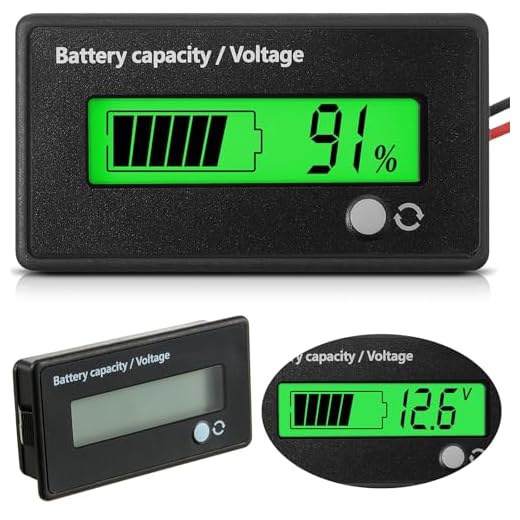
Check the battery app or onboard diagnostics for state of charge, cycle count, and any error codes. Watch for unusually fast drops in range or much longer/shorter charging times—they signal capacity loss.
Stop using the battery and contact the manufacturer or a certified technician if you see swelling, leakage, or persistent faults.
Log any anomalies and service actions so we spot trends over months.
- Example: before a full-day errand run, we noticed the app jumped from 90% to 50% after a 30‑minute ride—flagged it and scheduled service.
Log a short entry monthly.
Maintenance and Minor Repairs
Clean contacts with a dry cloth and a small brush to remove grit; reseat connectors. For example, after a dusty park run we cleaned the terminals and regained smooth power delivery.
Tighten mounting bolts to manufacturer torque specs and inspect protective covers and seals for cracks or tears.
Update firmware when recommended to keep the BMS balanced and optimized.
- Replace damaged connectors or pack housing — seek a certified technician; do not attempt cell‑level repairs.
- Replace battery when capacity falls per manufacturer guidance and arrange safe disposal.
- Recycle old batteries at approved drop‑off points; never throw them in household trash.
- Schedule an annual professional check and keep receipts/warranty paperwork to simplify claims.
Log service dates so we know when the next check is due.

Prepare a Backup Plan for All-Day Errands
Plan for the unexpected. If our e‑bike supports hot‑swapping, carry a charged spare for long family days (for example, a spare when we spend the afternoon at the zoo).
Map reliable charging spots along our route—cafés, libraries, malls—and mark one or two fallback locations in case our first choice is full.
Save important contacts in our phone and bring a compact emergency kit.
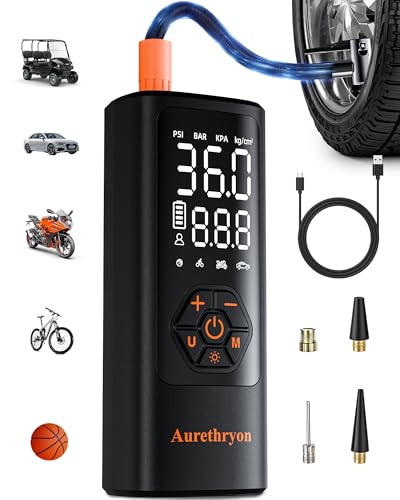
- Kit: multi‑tool, mini pump, spare fuses, USB power bank for lights/phone, and a short patch kit.
Save the manufacturer’s support line and a local mobile repair shop contact.
Stagger errands so we can top up during longer stops. Decide quickly if a short ride to a charger is feasible or if we should call a family member for pickup. Review the plan before outings.
Ride Confidently Every Errand
We’ve covered practical steps to keep our e‑bike battery ready for all-day errands; let’s put them into practice, enjoy reliable rides, and share what works with other families — try these tips, report back, and keep our days moving confidently today.