
Rethinking the $5K Cargo-Box Bike
We love clever gear that makes family life easier, but we also notice a lot of expensive impulse buys. A $5K cargo-box bike looks ideal — until we map it to our actual routines.
In this piece we argue that most of us don’t need to spend that much. We’ll focus on practical daily needs, not status. We’ll explore who truly benefits, debunk common myths, offer budget-friendly alternatives, and assess storage, maintenance, and usability.
By the end we’ll give a simple checklist and realistic scenarios to help us decide with confidence without buyer’s remorse too.


Who Actually Benefits from a Cargo-Box Bike?
We map real use cases so we can decide rationally. Below we walk through family size, trip types, distance and terrain, and weather patterns, then sketch profiles that do — and don’t — justify a high-end cargo-box bike.
Family size and load
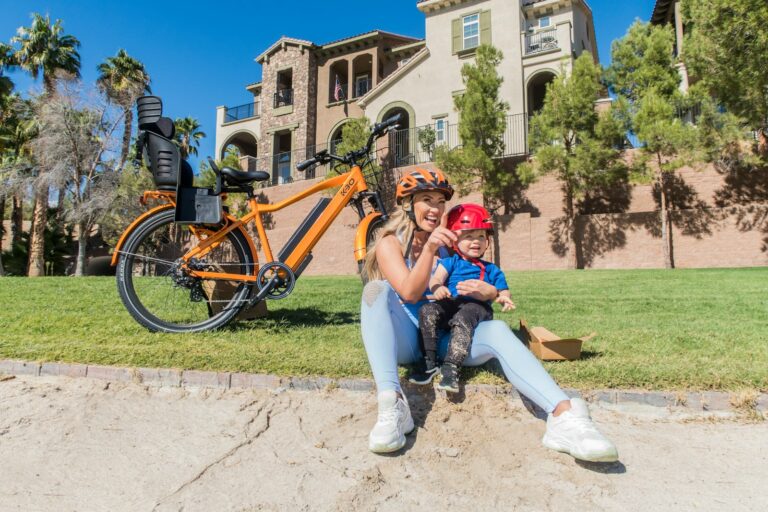
The need scales with people and stuff. If we’re hauling two kids in car seats, sports gear, groceries and sometimes a small dog, a box bike’s capacity and safety harnesses become genuinely useful. If we’re usually carrying one child and a small bag, a rear kid seat or a longtail bike often covers it.
Trip types & frequency
Think in trips per week, not single epic errands. High-end cargo-box bikes pay off when:
- We do many multi-stop trips daily (school, daycare, market, work) rather than occasional rides.
- We regularly move awkward loads (bulk groceries, crates, gear for weekend activities).If our rides are mostly short one-stop school runs or coffee-shop trips, the investment rarely makes sense.
Distance, speed and terrain
Electric assist changes the equation. A heavy box bike without a motor is tiring past a few miles or on hills. We should consider:
- Average trip distance: under 3 miles favors smaller solutions; over 5–8 miles leans toward e-cargo bikes.
- Terrain: frequent hills or long climbs push us to powerful e-motors (think Urban Arrow/Cargo e-bikes or Riese & Müller for premium torque).
- Speed needs: if we need to keep up with traffic on commuter routes, stability and brakes matter more.
Weather and climate
We’ll ride more if we’re comfortable. Families in rainy, cold, or icy climates may prefer an enclosed box for weather protection, while mild climates can get by with open trays and rain covers.
Quick, practical checklist (how to test your need)
- Count weekly cargo trips and list what we carry.
- Measure typical trip distance and elevation gain.
- Note storage space and whether we can keep a bike charged/covered.
- Try borrowing a cargo bike for a week before buying.
Who typically benefits — and who doesn’t
- Good fit: large families doing frequent, longer, heavy-load trips across varied terrain; parents who want one vehicle to replace car errands.
- Poor fit: families with short, infrequent neighborhood trips, easy parking/storage, or mostly solo commuting needs.
Next we’ll unpack the common myths that push people toward pricey box bikes and separate facts from marketing so we can make a clearer choice.
Debunking Common Myths About the Expensive Cargo Bike
Myth: It’s the only safe option for kids
We hear this a lot — that a box equals safety. Safety comes from proper restraint, helmet use, good brakes, and predictable handling, not price tag alone. A well-mounted child seat (Thule Yepp, Bobike) or even a trailer can be safer for many families because they lower center of gravity and keep kids out of traffic lines of sight.
Tip: If safety is our top concern, start by trying a trailer or a high-quality rear seat for a week. Note how the bike handles, how secure kids are getting in and out, and whether traffic anxiety drops. We often find that the incremental safety benefit of a $5K box is smaller than advertisers imply.
Myth: It’s the only way to replace a car for errands
Expensive cargo bikes can replace many car trips, but they’re not the only route. For most errands — groceries, one-child school runs, library visits — a rear rack with panniers, a sturdy basket, or a compact longtail (Tern GSD, Yuba Kombi) paired with an e-assist does the job at far lower cost.
How-to: Make a “car-to-bike” list of the last ten errands. If more than half require carrying two kids + bulky loads simultaneously, a box bike becomes more compelling. If not, a combination of trailer + panniers or a longtail will usually suffice.
Myth: Premium equals low-maintenance because it’s “purpose-built”
Purpose-built doesn’t mean maintenance-free. Heavier frames, complex steering systems, and high-torque motors still need brakes, bearings, and occasionally expensive parts. We’ve seen families pay premium prices and then face long wait times for boxed-specific replacement parts.
Practical step: Ask for an example service interval and parts list before buying. Compare that to a simple longtail or trailer where most bike shops can do quick repairs and replacements.
Myth: It’s mostly about status — marketing isn’t innocent
Let’s be honest: some of our purchases are emotional. Brands sell a lifestyle — clean wooden boxes, smiling kids, European design. That social signal matters, but it shouldn’t drive a multi-thousand-dollar decision.
Actionable advice: Wait 30 days before buying. Talk to neighbors, rent a model, and check local classifieds for gently used options. Often we get the same functionality for a fraction of the price once we separate want from need.
Next, we’ll run through practical alternatives that meet most families’ real-world needs without the $5K price tag.
Budget-Friendly Alternatives That Meet Most Moms’ Needs
We don’t have to buy the fanciest box to solve most school runs and grocery trips. Below are practical options that meet common family needs, with quick pros/cons focused on safety, capacity, maneuverability, and weather protection — plus simple add-ons that close the gap with pricier models.
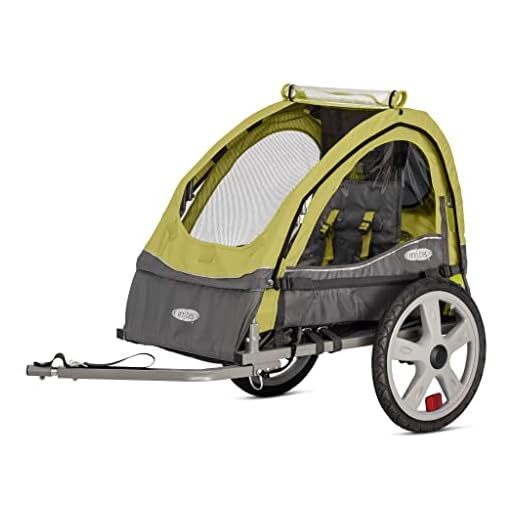
Bike trailers (single and double)
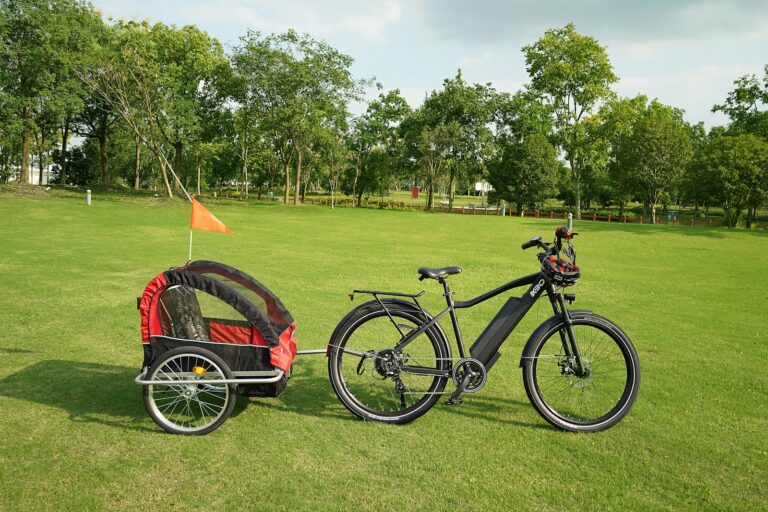
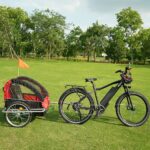
Trailers like the Burley Bee or Thule Chariot Cross carry one or two kids and cargo, sit low for stability, and often include rain covers.
- Pros: Very stable, lots of dry storage, easy to hook on/off, seats and harnesses designed for kids.
- Cons: Wider footprint, less nimble in tight spaces, need trailer-specific parking/storage.
- Best for: Errands with lots of groceries or when both kids need transport.
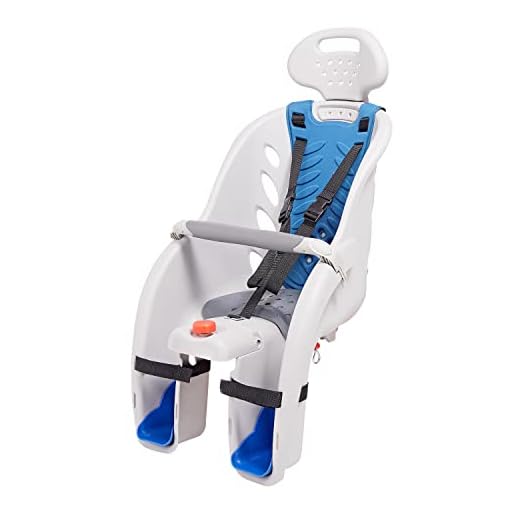
Rear-mounted child seats
Popular models: Thule Yepp Maxi, Bobike One. Compact and quick to install on most frames or racks.
- Pros: Lightweight, excellent maneuverability, kids close to caregiver for conversation and safety.
- Cons: Limited cargo capacity, less weather protection unless paired with skirt/rain cover.
- Best for: Short school runs and quick trips with one child.
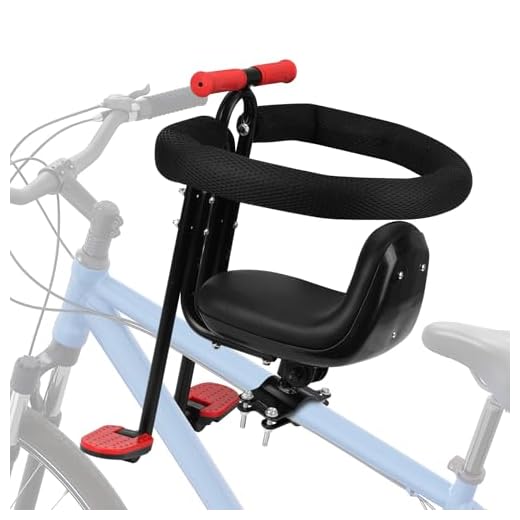
Front-mounted toddler seats
Front seats let us keep an eye on a small child and build trust while riding.
- Pros: Great visibility and bonding, easy to calm a fussy toddler mid-ride.
- Cons: Affects steering feel for lighter riders, lower cargo capacity.
- Best for: Young toddlers who still need close supervision on short rides.
Compact cargo trailers & tag-alongs
Flatbed trailers or single-wheel tag-alongs give us flexibility — haul a stroller, big grocery load, or add a kid seat later.
- Pros: Modular usage, can tow heavy loads, store compactly when not in use.
- Cons: Towing changes handling; single-wheel trailers require practice.
- Best for: Families wanting multi-use gear without a full cargo frame.
Simpler cargo bikes and used models
Consider used longtails (Xtracycle/Used Yuba) or simpler new models (Tern Easy or budget longtails). Buying used often gives solid frames and components for far less.
- Pros: Pure cargo functionality at lower cost; many older models last decades.
- Cons: Check wear, forks, and frame integrity; may need a tune-up.
- Best for: Frequent haulers who want cargo capability without new-bike markup.
E-assist options and modest accessories
Adding a modest e-assist kit (Bafang or Tongsheng conversions) or choosing an affordable e-longtail (RadWagon, Aventon) eases hills and heavy loads without the $5K hit. Pair any setup with:
- Good lights (NiteRider/Cateye)
- Waterproof rain covers (Thule/Ortlieb)
- Strong racks (Tubus/Topeak) and panniers (Ortlieb)
Quick tips: test-ride loaded, practice slow turns in a parking lot, and always secure child harnesses. With a few smart choices and modest accessories, most of our daily trips get covered at a fraction of the price — and we can upgrade as needs change.
Practical Day-to-Day Considerations: Storage, Maintenance and Usability
We’ve talked options; now let’s look at the everyday realities that actually determine whether a bike earns a permanent spot in our lives: where it lives, how we load kids, daily parking and theft risk, maintenance needs, and riding in rain or snow. Small frictions add up — and they often outweigh headline price.
Storage and where it lives
We ask: will it fit in the hallway, on a balcony, or in a shared stairwell? Measure doorways and storage spots first. If a bike won’t get indoors, factor in a weatherproof shed, a ground anchor, or paid secure parking — expect $0–$50/month depending on location. Lighter, more modular setups often win here.
Loading, unloading and everyday usability
We run practical tests: can we lift a child seat or box with one hand? Can a 3-year-old get in and out quickly and safely? Time the process — repeated five times — to see how it feels on school-run mornings. Practice emergency stops with a loaded load to judge stability and braking.
Parking, theft risk and daily logistics
Cargo bikes are tempting to thieves. Use a heavy U-lock plus a cable, lock both frame and wheel, and consider insurance or a bike registry. If we park on the street, a visible, locked spot reduces risk. Think about how often we’ll have to carry the bike up stairs — every extra step multiplies daily friction.
Routine items: tires, brake pads, chains, fenders, and replacement hardware. Budget $50–200/year for parts and occasional labor; e-assist batteries and motors add replacement/repair risk (batteries can be $300–700). Factor in tune-ups after winter and the cost of a home pump, multi-tool, and spare tubes.
Winter and wet-weather usability
We check for full fenders, sealed bearings, and good brakes. Test how wet cargo covers drain and whether straps or harnesses collect water. Salted streets accelerate wear — plan for more frequent cleaning and component replacement.
Quick real-life test checklist (take one bike to a parking lot)
- Can we do a slow 180° turn in our driveway without tipping?
- How much does the bike portion weigh to lift (estimate or lift it)?
- Time loading and buckling a child (repeat 5×).
- Brake-test at walking speed with a loaded bike.
- Is there a straightforward indoor storage spot?
- Check how easily batteries/locks are removed for theft prevention.
These day-to-day checks reveal what will actually fit into our routines — often far more important than a premium badge.
A Clear Decision Checklist and Real-Life Scenarios
We want a fast, reliable way to decide if a cargo-box bike belongs in our family. Below is a step-by-step checklist we can run through, then three common scenarios with realistic, actionable solutions.
Decision checklist — walk through this with your family
- Map typical trips: length, terrain, and how often (daily school run vs. weekly park visits).
- Count riders and cargo: number/ages of kids, stroller/groceries, pets, or extra gear.
- Measure storage and handling: doorway width, ability to lift, and whether indoor space is available.
- Set a realistic budget: upfront, annual maintenance, and optional e-assist/battery costs.
- Try lower-cost setups first: trailers, rear-mounted seats, or a used cargo bike before new premium purchases.
- Decide on “must-haves” vs. “nice-to-haves” (weatherproof box, lockable cover, electric assist).
Single preschooler + short errands
If our biggest use is a preschooler and 15–20 minute errands, prioritize simplicity and speed. A sturdy child seat (Thule Yepp or similar) or a compact rear rack seat keeps loading quick and storage small. Lightweight frames make lifting into an apartment hallway realistic. For occasional longer rides, a single-kid trailer is an easy add-on.
Two kids + grocery runs
When we have two small kids and heavy grocery loads, stability matters more than style. A front box or longtail bike (e.g., Xtracycle-style or Yuba) paired with panniers or a rigid box offers balanced carrying without committing to a $5K box bike. For occasional big hauls, a double trailer is versatile and folds for storage.

Replacing a car for school drop-offs
Trying to replace a car is the toughest ask. We need reliable e-assist range, weather protection, and quick turnaround loading. If we’re committed to daily car-replacement, consider higher-end e-cargo bikes — but only after extensive trialing or renting first. Otherwise, combine biking with occasional car use or public transit.
Test-ride, borrow, rent and buy-used tips
- Test-ride with children and full load; simulate morning routines.
- Borrow from friends or use community bike libraries; many shops offer week rentals.
- Try used first — inspect frame, steering-head play, and battery health on e-models.
- Consider investing in premium only if daily mileage, terrain, and child-count make cheaper options impractical.
With these steps and scenarios, we can move confidently into the final decision-making stage.
Make the Choice That Fits Our Family
We remind ourselves that the best family bike matches our routine, budget, and storage—not the priciest model. Start with affordable options, run them through the decision checklist and a real-life test period, and note what truly matters: safety, comfort, and daily convenience.
Only consider upgrading when our everyday use consistently outgrows the budget-friendly solution. Thoughtful testing beats impulse buying. Use the checklist, involve the whole family in trials, and choose what keeps our life simpler and happier. Share your experience and tips so other families can learn from what worked for us today.